
Rail

Iso 9001 Logo

Cold Rolled Sections For Rail

Cold roll forming offers an economic, consistent, and accurate form of manufacturing metal sections for the rail industry.

MCRS’ commitment to further streamline the cold roll forming process, as guided by our expert engineers, has enabled us to perfect this method.

It is this continuous drive to better our services that has led to the rapid expansion of MCRS. Our increased manufacturing capacity allows us to serve a variety of sectors, including the rail industry, with precision cold formed components.

Our cold formed components have been designed and manufactured in consideration of the difficulties our clients face, with the team at MCRS working closely with clients to better understand, and overcome, potential design and manufacturing issues.

With up to 30 roll stands available per line at MCRS, we can deliver a range of cold roll formed products suitable for application within the rail industry. Our specialist engineers further offer design, fabrication, and assembly to ensure our high standards are maintained throughout the development of products. MCRS can supply and deliver:

Material thickness from 0.3mm to 6.0mm
Strip widths up to 450mm
In-line piercing facility
In-line roll logo marking
In-line inkjet marking

Got a question?
Talk to the experts today, get the support that speaks your language...


    Cold Rolling For Rail Applications

    Cold Rolled Sections For The Rail Sector
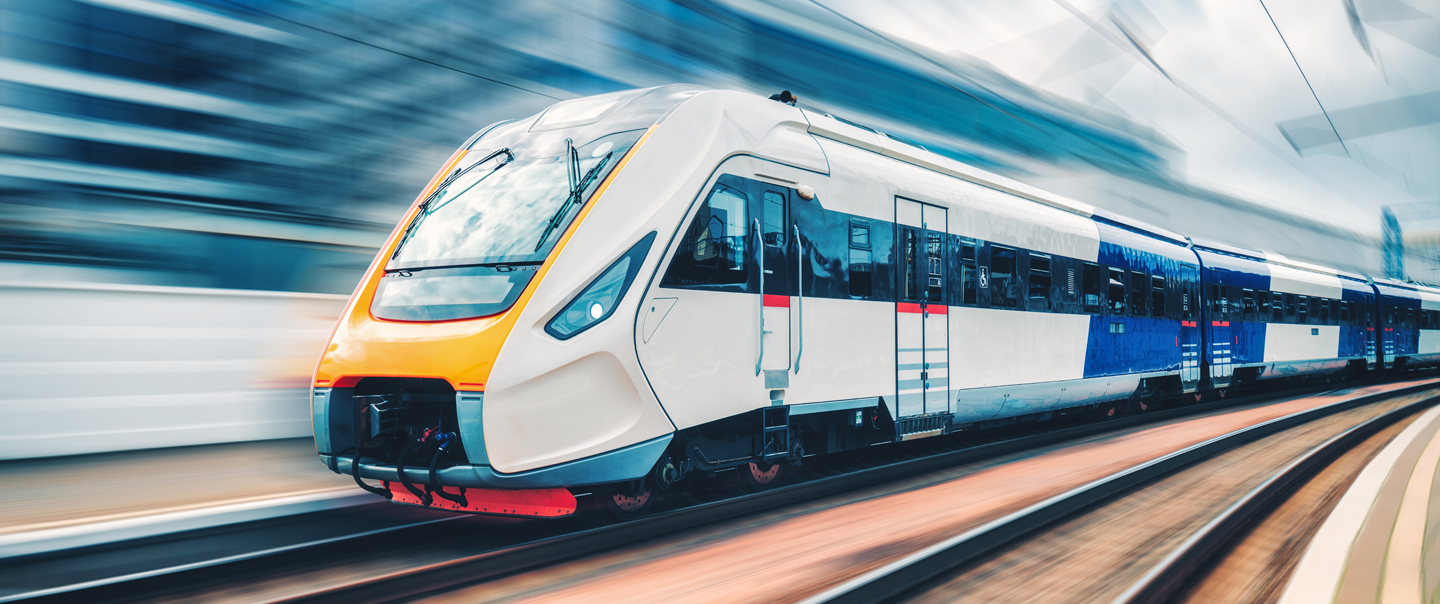
    Cold Rolled Sections For Rail - Cold Rolled Sections for the rail sector

    We moreover work with both ferrous and non-ferrous metallic materials, as well as high strength and coated metals, selected during the design consultation process so as to reflect the requirements of individual projects.

    Because of the bespoke nature of MCRS’ service, lead times for the cold roll formed components for the rail industry will vary. However, MCRS always seeks to oblige clients’ time limitations where possible.

    Within the rail sector, MCRS can provide precision cold roll formed products for a multitude of purposes, including, but not limited to:

    Rail infrastructure
    Locomotives
    Trams
    Carriages

    FAQ's

    Why is the rail industry important?

    One of the most important parts of a city's infrastructure is its public transit, with trains being a forefront factor within this. Trains are capable of transporting numerous people at once, and can travel long distances without having to make as many stops as buses do. This means that trains can cover a lot of ground quickly, making them the ideal mode of transportation for commuters who need to go across town or country. Without these types of transit, those commuting by car will increase, leading to more traffic, pollution, and a deepened reliance on oil.

    Trains can also carry many different types of cargo along with them, making it possible to ship large amounts of materials and products over long distances economically.

    The rail industry provides hundreds of thousands of jobs in the UK, and generates essential income for the country. With the oldest railway in the world, the rail industry is important to Britain in particular as a signal of its history and growth.

    Who regulates the UK rail industry?

    The UK rail industry is regulated by several bodies, which are overall headed by the Office of Rail and Road.

    The Office of Rail and Road (ORR) is the government department responsible for regulating all safety and economic considerations for the rail industry; this is the main body and oversees all other bodies.

    The Department for Transport (DfT) is another government body responsible for funding and overall transport policy in the UK.

    Network Rail is a public sector company which provides and manages the UK rail network. Individual train companies then provide and run the trains, including both freight trains and passenger trains.

    The British Transport Police act as the police force for the railways, working alongside the Rail Accident Investigation Branch (RAIB) as two of the main safety bodies.