
Marine

Iso 9001 Logo

Marine Cold Rolling

Balancing aestheticism with functionality, MCRS produces rolled sections with close tolerance cold rolling profiles for the marine sector.

Our unparalleled dedication to the industry over our years of operation has enabled us to perfect our processes – providing a supportive and informed service for our clients.

MCRS are solution providers; our expertise is best exercised when re-engineering products to enhance performance. Our team of experienced engineers work in close collaboration with clients to determine the exacting specifications of each project, delivering perfectly formed cold rolled sections in light of this.

It is MCRS’ drive to provide total customer satisfaction that has facilitated the rapid growth of our company, and thus expanded our potential for handling high material tonnage.

MCRS houses up to 30 rolls per rolling mill within our Wolverhampton premises. We offer a completely bespoke service for our clients, capable of designing, manufacturing, and sub-assembling parts for even the most complex profiles. MCRS can work with and deliver:

Material thickness from 0.3mm to 6.0mm
Strip widths up to 450mm
In-line piercing facility
In-line roll logo marking
In-line inkjet marking

Got a question?
Talk to the experts today, get the support that speaks your language...


    Marine Sector Cold Rolling

    Cold Rolling Profiles For The Marine Sector
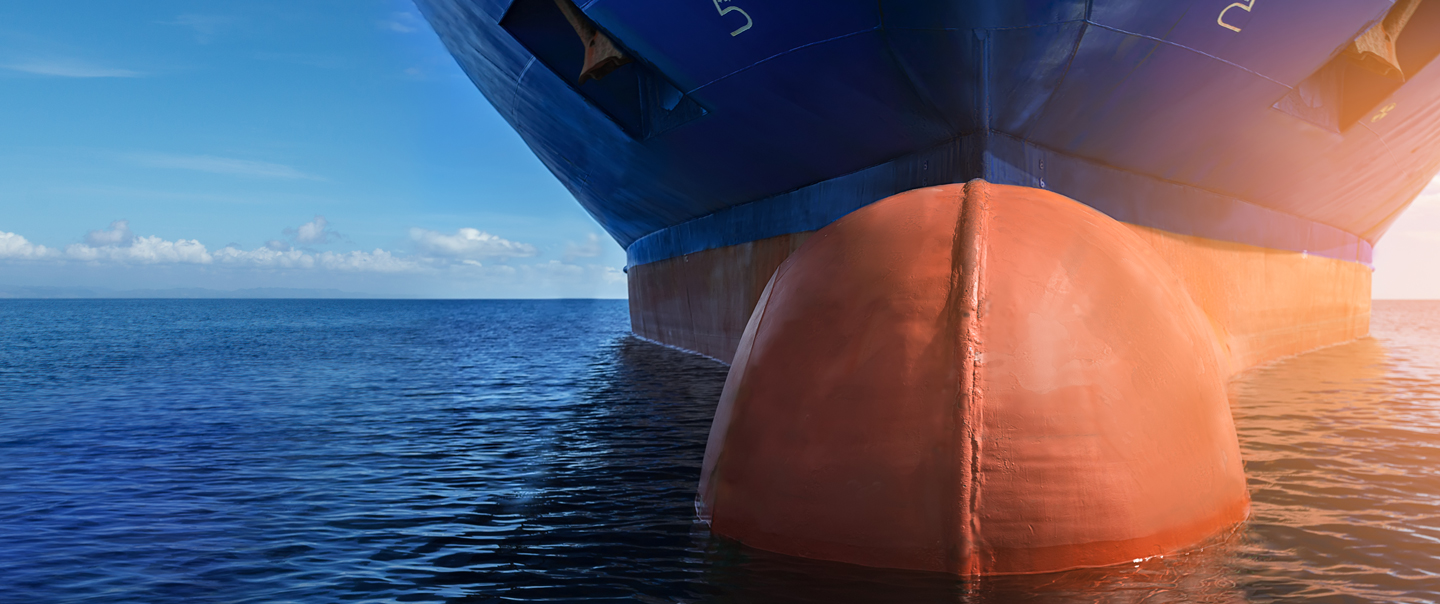
    marine cold rolling - cold rolling profiles for the marine sector

    We moreover form a range of materials, including both ferrous and non-ferrous metals, as well as coated and high strength metallic materials, as applicable in accordance with the specifications and requirements of our customers.

    For applications within the marine sector, MCRS can supply bespoke cold roll formed products which fulfil the requirements of a range of UK markets, including but not limited to:

    Super yachts
    Fishing vessels
    Cruise ships
    Ocean liners

    FAQ's

    What is the marine sector?

    The marine sector refers to the businesses working in direct relation to the sea; here are many different types of markets that operate within the marine sector. These businesses include, but are not limited, to:

    • Shipping companies and transport, responsible for the transportation of goods and passengers between countries or areas
    • Ports and terminals, monitoring the activity of incoming and outgoing ships
    • Marine engineering firms, producing boats and other vessels such as military vessels, commercial navigation equipment, and oil rigs
    • The seafood industry, which includes the harvesting, processing, transportation and storing, and selling of seafood
    How big is the maritime sector?

    According to the latest research, the UK maritime sector currently contributes £46.1 billion to the UK economy each year, and employs over 1.1 million people.

    The diversity and scope of the maritime sector highlights it as aginormous industry, not just in the UK, but globally.

    Why is the maritime industry so important?

    The maritime industry is responsible for carrying a vast percentage of the world’s trade; the ability to transport goods across seas keeps the price of goods low, more accessible to consumers, and cuts transportation time.

    Transportation across the sea is one of the cheapest modes of transportation; this has allowed developing countries access to valuable resources to aid their growth and increase their standards of living. Moreover, transportation provides jobs for people all over the world.

    The maritime sector has aided international relations and trade, alongside transport. The maritime sector not only links countries through routes, but trade means countries are invested in maintaining mutual relations.

    Why are cold rolled sections used in the marine sector?

    On the whole, cold rolled sections are generally considered better value for money. Part of the reason for this is to do with ease of production: they are just easier to make when compared with hot rolled sections, so that means that they also cost less to produce. But that’s not all: cold rolled sections are also known for their greater integrity in terms of strength.

    On top of all that, cold rolled sections are suitable for a wide array of different marine components, such as steel plates and shipbuilding plates, drill pipes, anchor chains and even offshore oil platform components.

    What types of cold rolled sections are used in the marine sector?

    There are many types of cold rolled sections used in the marine sector. That would include beam sections, structural sections, ship plating and rails. Also, cold rolled sections are used for rail track sections, chrome trims on yachts and other similar vessels, yacht fenders and the door track sections on yachts too. They are also used on oil platforms in a wide variety of applications, so as you can see there are many uses here.

    What steel grades are used for cold rolled sections in the marine sector?

    The nature of marine life is that corrosion is always a high possibility, and that environment therefore requires some particular considerations to be taken into account. There is a need for a special grade of steel to be used, and there are multiple coating options for protection to be considered as well.

    The most common grades of steel used in the marine sector are Grade 304 and Grade 316. This is due to the simple fact that they provide the best protection against corrosion.

    What is the difference between Steel Grade 304 and Steel Grade 316?

    First of all, Grade 316 is arguably the single most common type of stainless steel that is used in many applications, and certainly in the marine environment. Part of the reason for that is because of the high level of molybdenum it contains compared to other grades. That allows it to resist pitting more effectively along with other effects of salt water.

    On the other hand, Grade 304 has a lot more chromium in its makeup. This also gives it excellent resistance against corrosion. 304 is often used for aesthetic purposes, such as on trims for yachts and so on.

    Why are cold rolled sections used in yachts and cruise liners?

    Part of the reason is historical: the cold rolling of propeller shafts was considered to be valuable by the marine sector as a means to reduce shaft condemnations and other failures on the USS Norfolk.

    Beyond that, however, there is potential for high flexibility to create unequal angles, zed sections, U-bars and L-bars, hotbars and much more. It is also easier to work within a tolerance, allowing for greater utility, and the parts can be finished off in lots of different ways.